

Potty training is a major milestone in your child’s early development, signaling a transition toward greater independence. While this phase is exciting, it can also feel overwhelming for parents trying to manage the process alongside work and daily commitments. Success relies heavily on consistency, patience, and choosing the right time to start. For many families, partnering with a high-quality toddler daycare ensures that the habits taught at home are reinforced throughout the day, providing the structured repetition that young children need to succeed.
How to Know When Your Child Is Ready for Potty Training
Every child develops at their own pace, and forcing the issue before they are physically and emotionally ready can lead to frustration for everyone involved. By recognizing the signs of readiness and establishing a clear potty training schedule, you can transform what feels like a daunting task into a positive learning experience for your toddler.
Recognizing the Signs of Readiness
Before introducing a potty seat or changing your daily routine, you must determine if your child is ready. Age alone is not an accurate indicator; look for specific behavioral and physical cues instead.
- Physical Cues: Your child stays dry for at least two hours at a time, wakes up dry from naps, or can pull their pants up and down with minimal assistance.
- Behavioral Cues: They show interest in the bathroom, hide when filling their diaper, or tell you directly when they are wet or soiled.
- Cognitive Cues: They can follow simple, two-step instructions and understand body-related vocabulary.
Creating a Successful Potty Training Schedule
Once your child shows consistent readiness signals, the next step is implementation. Children thrive on predictability, and creating a structured routine helps them understand what is expected of them without feeling pressured.
To build reliable habits, you need a plan that repeats at regular intervals throughout the day. Designing a predictable potty training schedule involves placing your child on the toilet at specific transition points, such as immediately after waking up, twenty minutes after meals, and right before leaving the house. Keeping these times brief—usually no more than three to five minutes—prevents the experience from feeling like a punishment and helps your toddler associate the potty with natural daily rhythms.
Rewards and Positive Reinforcement
- Focus on Praise: Celebrate the effort, not just the result. Even if they don’t produce anything, praise them for sitting and trying.
- Visual Trackers: Use a sticker chart where your child can add a sticker every time they use the potty or try to use it.
- Avoid Punishment: Accidents are a natural part of the learning curve. Avoid scolding or showing frustration, as this can cause emotional regression.
Partnering With Your Childcare Provider
Potty training cannot happen in a vacuum. If your child attends a daycare during the week, a lack of communication between home and care providers can confuse the child and stall their progress.
Bridging the Gap Between Home and Care
When researching the best daycare for toddlers near me, it is essential to ask potential providers about their specific bathroom training philosophies. A quality childcare center will work directly with you to mirror the language, timing, and reward systems you use at home. This collaborative approach ensures that your child experiences the exact same expectations whether they are in their own bathroom or in a classroom with their peers.
Preparing for the Classroom Environment
- Pack Extra Clothes: Your daycare provider may have specific recommendations for this. However, as a general note, you may send at least three complete changes of clothes, including socks and shoes, to the center each day.
- Choose Simple Clothing: Dress your child in elastic-waist pants rather than overalls, snaps, or belts so they can manage their clothes independently.
- Communicate Successes: Let your child’s teachers know if they had a successful weekend so the staff can maintain that momentum on Monday morning.
Managing Regression and Common Roadblocks
It is common for children to take two steps forward and one step back during this process. Regressions often occur during times of change, such as moving to a new house, the arrival of a sibling, or starting a new classroom dynamic.
If a regression happens, take a step back without expressing disappointment. Re-establish your core routines, ensure your child’s schedule remains predictable, and give them time to regain their confidence. If resistance continues for more than a few weeks, it may simply mean your toddler needs a temporary break from training before trying again.
Frequently Asked Questions
How long does potty training usually take?
While some children catch on within a few days, it typically takes several months to achieve full daytime independence. Nighttime dryness often takes even longer, as it relies on physical bladder development.
What should I do if my child only wants to use the potty at home?
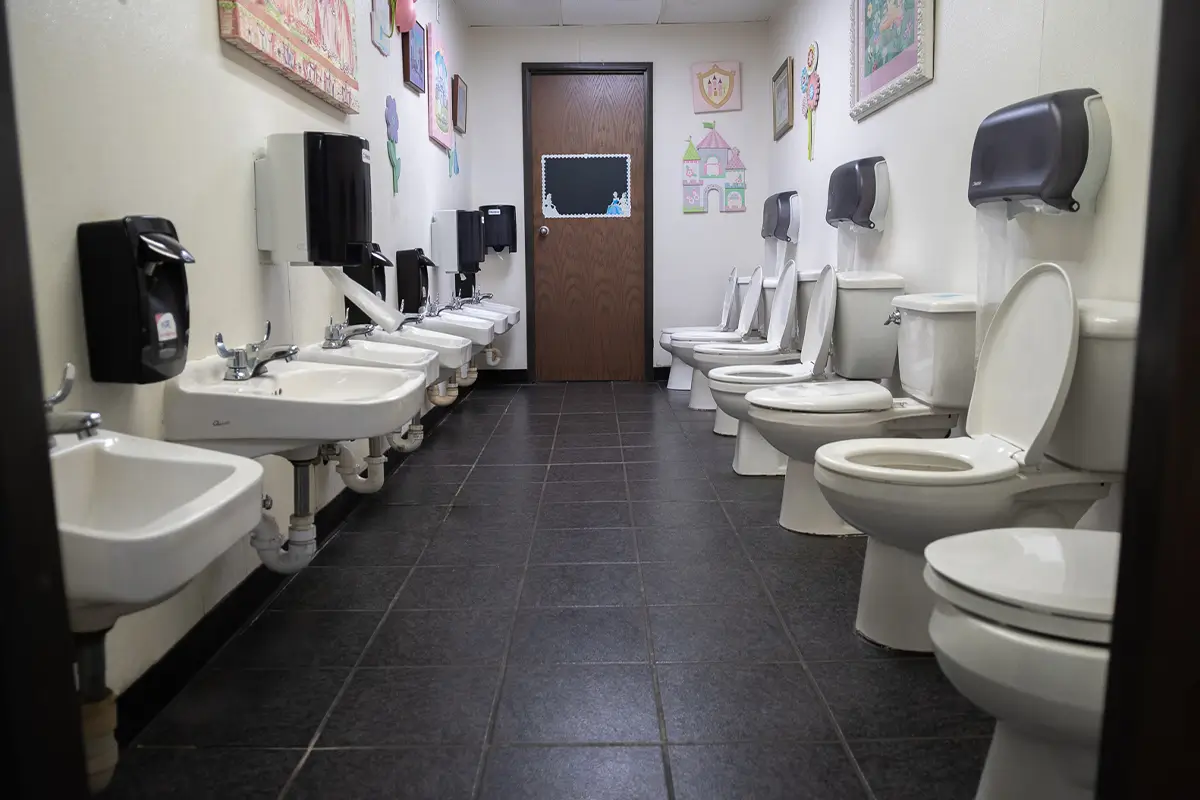
This is a common hurdle that stems from a preference for a familiar environment. You can ease this anxiety by bringing their familiar potty seat insert to their daycare (if allowed by the provider) or choosing a daycare for toddlers near me that features child-sized bathroom fixtures designed specifically for early learners.
Should we use training pants or go straight to underwear?
Training pants or pull-ups can be a helpful tool for transitions and car rides, but many families find that moving straight to cloth underwear helps children understand the sensation of being wet much faster. Speak with your toddler daycare providers to see what method works best for their classroom setup.
Growing Together With Toddler Daycare
At Child Care Inc., we believe that early milestones should be navigated with love, patience, and a consistent routine. Since 1984, our family-owned centers have served as a reliable support system for families across the Oklahoma City Metro, offering safe and nurturing infant, toddler, and after-school care. We know that balancing work shifts with milestones like potty training requires a true partnership, which is why our professional caregivers work hand-in-hand with parents to mirror routines and celebrate every success.
Whether you need a full-time program or are looking for a reliable drop-in day care to manage unexpected schedule shifts, we are here to help. Our seven highly rated locations are designed to foster independence, curiosity, and confidence in young learners.
Contact Child Care Inc. today to schedule a tour and see how our family can support yours.