

Choosing a child care center is often one of the first major decisions a family makes. It’s not only about supervision—it’s about finding a place where your child feels secure, comfortable, and able to be themselves.
At its core, a center provides structured care for children in a group setting, guided by trained staff and consistent routines. But beyond that, it should offer a place where children can explore, interact, and build confidence through everyday experiences.
Understanding a Child Care Facility
A child care facility is a licensed setting designed to meet children’s daily needs while encouraging development through age-appropriate activities. These spaces are set up to provide both structure and flexibility, so children can move through their day with confidence. Most facilities include:
- Designated areas for play, rest, and meals
- Consistent daily routines
- Age-based groupings for appropriate care
- Supervision by trained caregivers
The goal is to create a setting that feels predictable for children while still allowing room for curiosity and creativity.
The Role of a Child Care Provider
A child care provider shapes how a child experiences their time away from home. Their work goes beyond supervision—they help create a sense of stability and connection that children rely on. This includes:
- Responding to individual needs and routines
- Supporting early social interactions
- Encouraging exploration through play
- Maintaining a calm and respectful environment
Children benefit most when caregivers are consistent, attentive, and present. Over time, this helps build trust and supports a child’s growing independence.
What Children Experience Each Day
A well-run program offers a steady rhythm—it provides a rhythm that helps children feel secure. Each part of the day, each activity has a purpose, even when it appears simple. A typical day may include:
- Guided play and hands-on activities
- Outdoor time and movement
- Meals and snacks at consistent times
- Rest or quiet periods
- Opportunities for social interaction
These experiences help children build familiarity with their environment, which can ease transitions and support emotional well-being.
How Learning Happens in a Child Care
Learning is woven into daily experiences rather than delivered through formal instruction and guided by observation. Rather than formal instruction, children are introduced to new ideas through everyday experiences. This approach supports:
- Language development through conversation and storytelling
- Problem-solving during play
- Motor skills through movement and activities
- Confidence through small, independent tasks
Children are given the space to explore while still being supported by caregivers who guide and encourage them along the way.
Supporting Families Through Flexible Care
A reliable child care provider recognizes that every family’s schedule looks different. Flexibility can make a meaningful difference, especially for those balancing work, school, or changing routines. This may include:
- Extended hours for early mornings or evenings
- Care during school breaks
- Options for younger children and school-age siblings
- Consistent communication with families
This approach helps maintain stability for children while giving parents peace of mind.
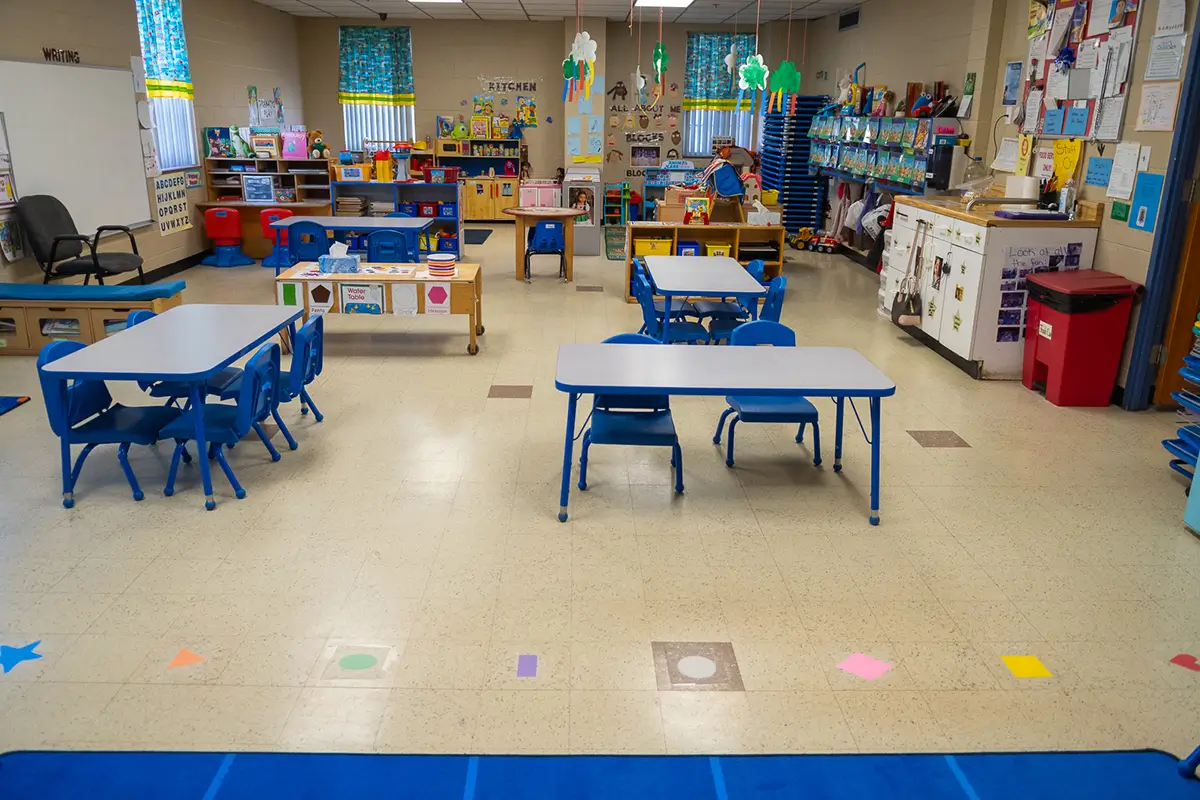
What to Look for in a Child Care Center
Not every environment will feel like the right fit. Taking time to understand what matters most to your family can help guide the decision. If you’re still exploring what childcare options are, it can be helpful to compare different settings before choosing what feels right. Consider:
- How does the environment feel when you walk in
- Whether routines are clear and consistent
- How caregivers interact with children
- The balance between structure and flexibility
- Communication between staff and families
A strong center will feel welcoming, organized, and attentive to both children and parents.
Frequently Asked Questions
At what age can children start at a child care facility?
Many programs accept children starting at six weeks old and continue serving through school age, offering care that adapts as children grow and develop.
How is a child care provider different from a babysitter?
A child care provider works within a structured environment, following consistent routines and developmental practices, while a babysitter typically offers temporary, less structured supervision for shorter periods.
Do children learn in child care?
Yes. Children gain skills through play, interaction, and guided activities that encourage language development, problem-solving, social awareness, and confidence as they engage with their environment.
A Place to Feel Supported
Choosing a child care is about finding a place where your child feels fits your child’s needs and your family’s routine. The right environment provides consistency, attentiveness, and space—it provides consistency, connection, and support for both children and families.
At Child Care Inc., we focus on creating that balance every day. From infant and toddler care to after-school programs, overnight support at Acorn Children’s Center, and weekend care, our approach is built around flexibility and trust. Through our Early Learning Matters curriculum and school-age programs, children are guided through everyday experiences.
If you’re exploring options for your family, we’re here to help you find a routine that feels right—one that supports your child while fitting into your daily life.